Coming Summer 2027!
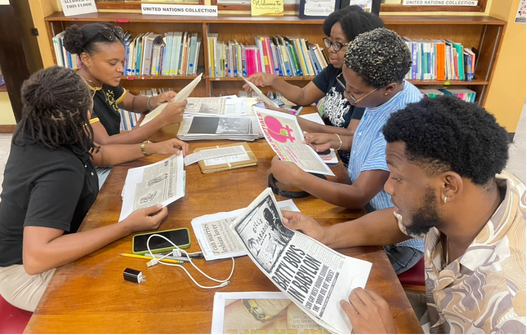
For six weeks every summer, students are introduced to foundational questions in archival research on gender and sexuality in the Caribbean. Our courses offer a no-strings-attached stipend of JMD$40,000 each to support student engagement throughout the period.
For Summer 2027, the course will focus on one historical research method: oral history. The course will constantly return to two questions: How might this research method offer a more complex snapshot of queer and trans life in Jamaica? What are the limitations of this research method and how can we experiment with new ways of collecting historical data about our community?
Rather than answering these questions in isolation, the class will venture into the ordinary spaces of queer and trans life in Kingston, from the home to the workplace to the social scenes where students will be learning how to conduct oral histories not in a sterile room, but within community spaces, in media res.
Interested in joining us? Applications open in May 2027. To receive an application reminder directly, click the link below.
SUMMER 2026
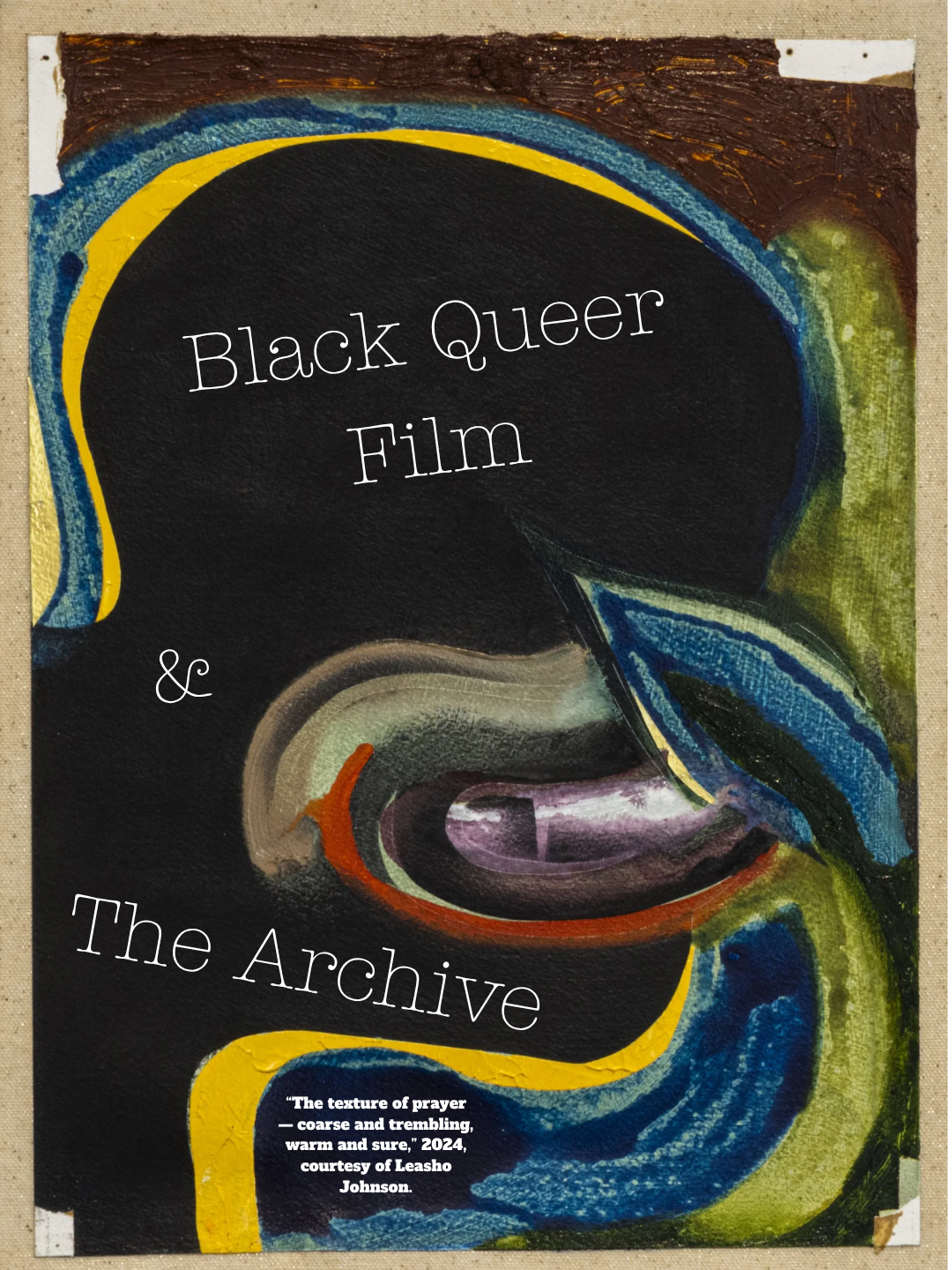
The course for Summer 2026 was Black Queer Film & The Archive which focused on exploring the relationships between Black queer films and archives. Students were not only exposed to foundational questions of archival research, but were also paired with a professional filmmaker who worked closely with them to produce a film treatment based on their own individual archival research. Students produced experimental film treatments that ranged from mockumentaries to narrative shorts and feature-length films.
SUMMER 2025
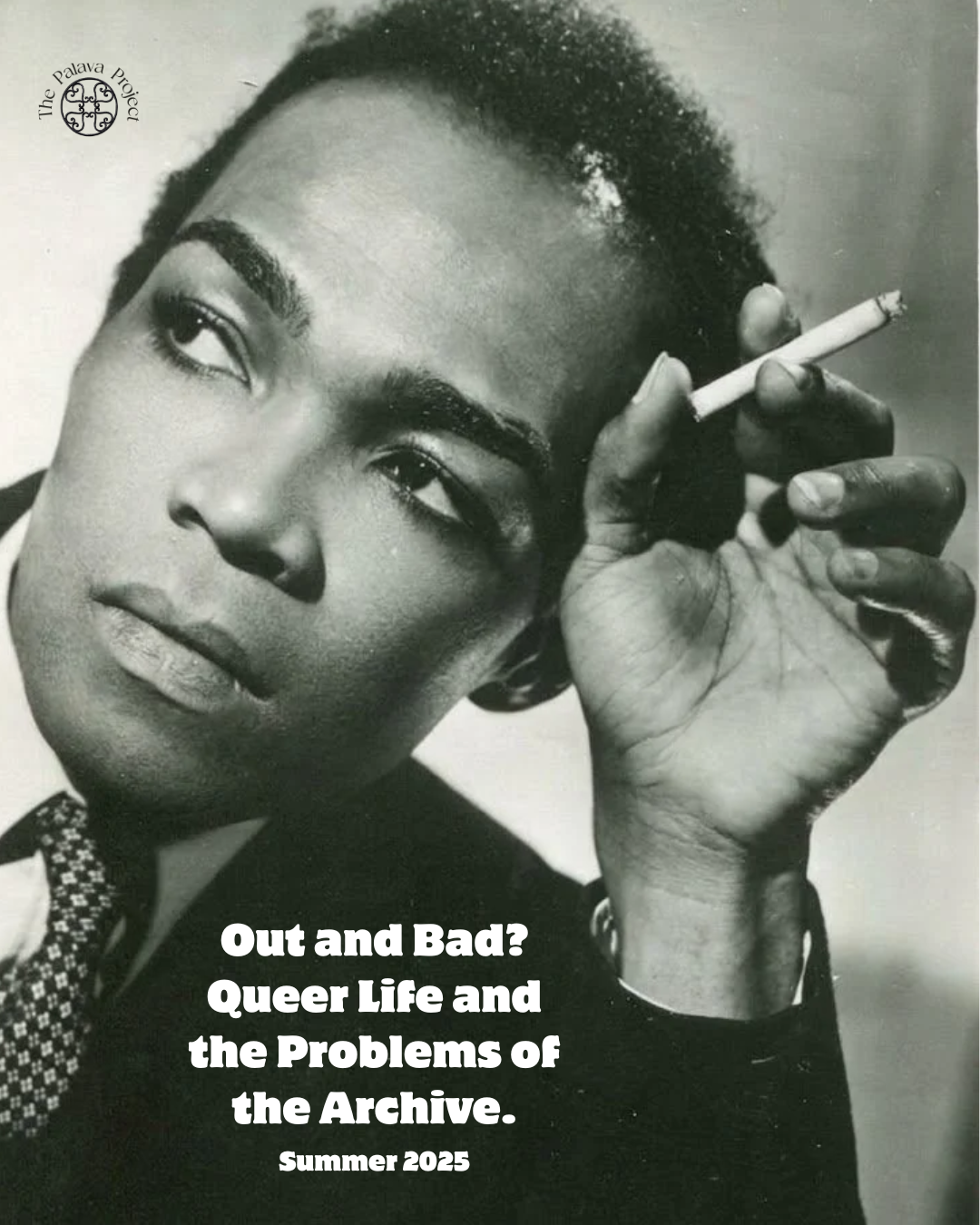
In Summer 2025, The Palava Project launched its first public education course, Out and Bad? Queer Life and the Problems of the Archive.
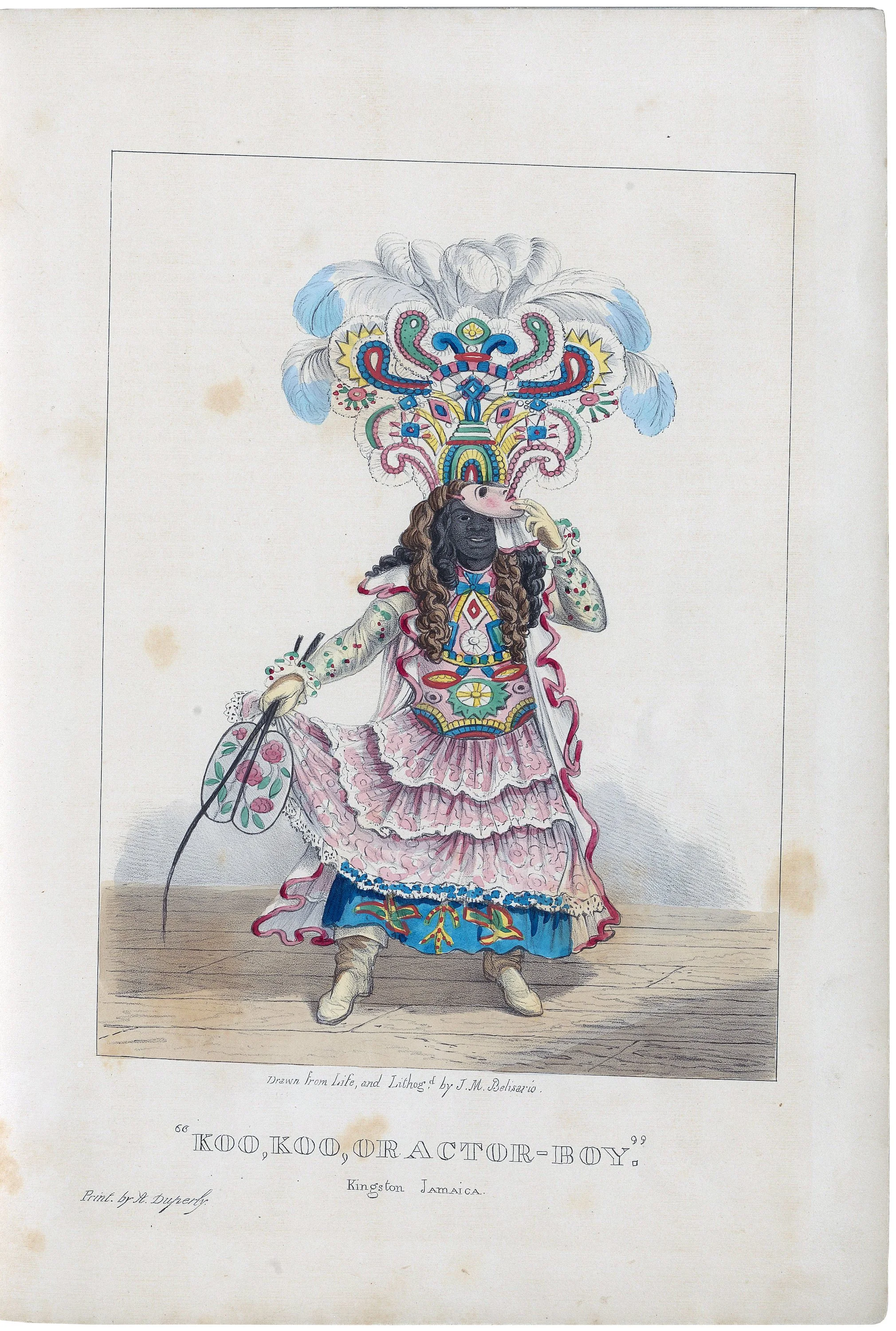
Throughout the course, students engaged Black queer and Black feminist approaches to archival research and gained hands-on experience working with digital archives such as The Gleaner and the archives of The Gay Freedom Movement of Jamaica.
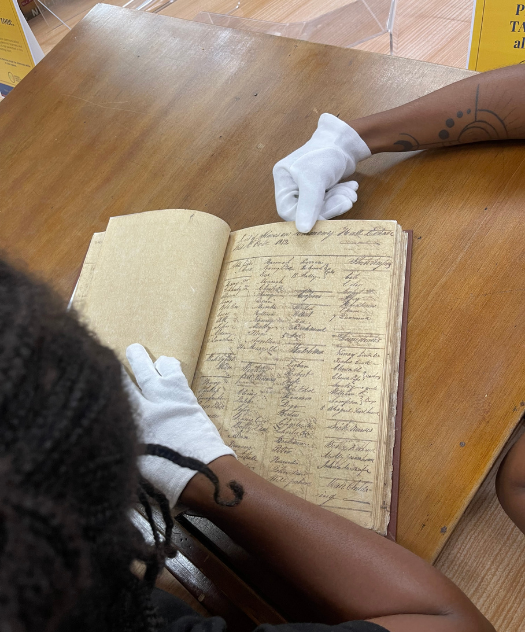
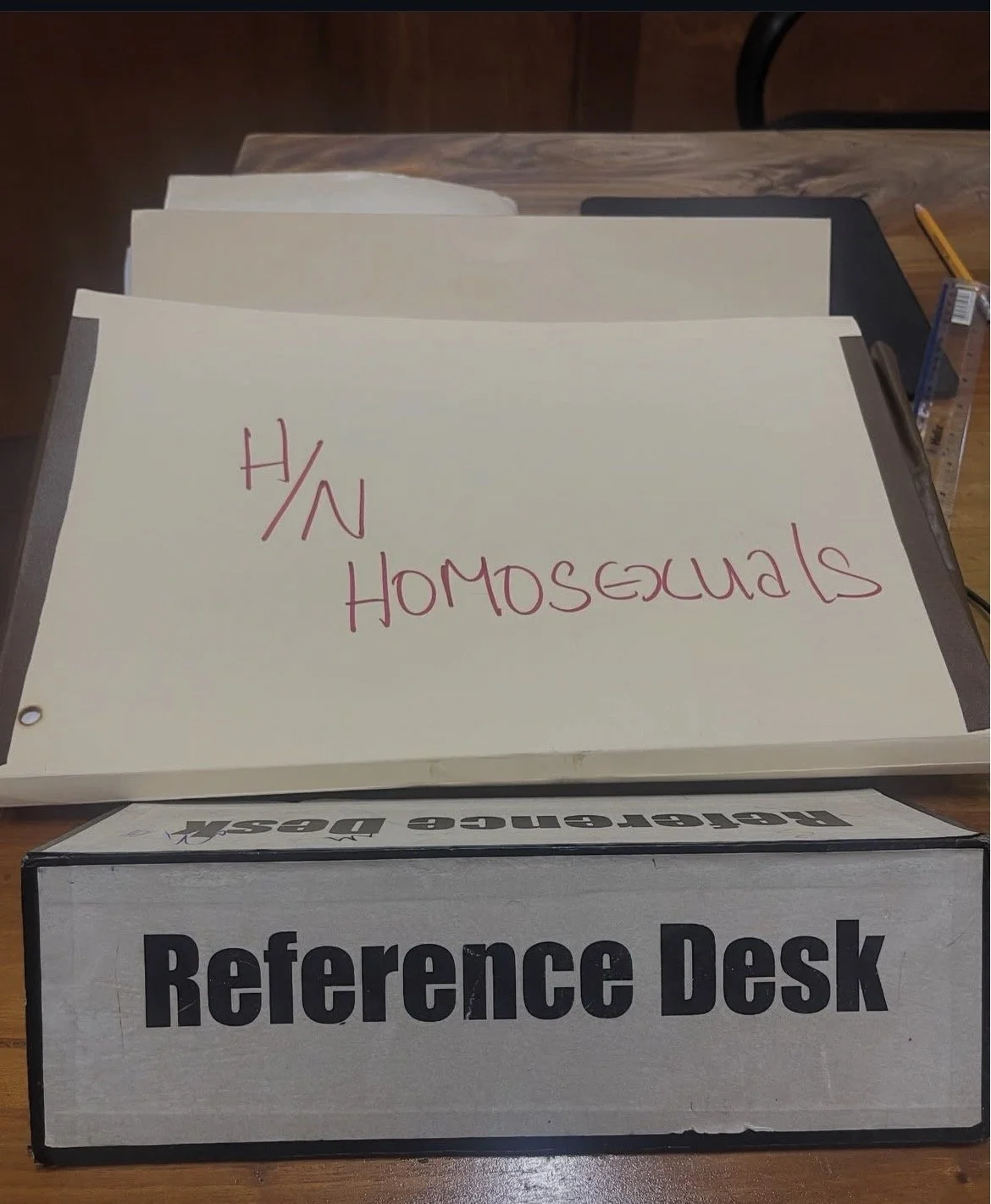
The centerpiece of the semester was the field trip to The National Library of Jamaica where students explored a broader range of historical sources including lesser-known archival files of queer and trans life.
After weeks of exercising their skills, students proposed fascinating final projects on Jamaica which included:
A study of 1970s gay and lesbian poetry
Archival research on sex work in 1920s
Oral histories with queer elders.
Eligibility Requirements
Each year, five to six students are selected for the course. Although our first and second cohorts saw students participating from other Caribbean islands, summer 2027 will require hands-on learning. Therefore, next summer the course will only be able to accept applications from Jamaica. Our cohorts have been diverse, reflecting a broad representation of region, age, class, ability, education, gender and sexuality on the island. To apply you:
Must be 18 years or older
Must be living in Jamaica
No expertise or prior knowledge is required. All are welcome to apply.
REVIEWS
At the end of each course, students submit an anonymous evaluation. Here are some of their thoughts!
“I appreciate the instructor's style of teaching; he is keen on ensuring everyone understands the material and gives space for candid expression and questions. The curriculum is intentional and weaves everything together comprehensively; when unfamiliar terms were introduced, we were already aware of their definition by virtue of engaging with the material. I appreciate the multimedia approach; as a predominantly audio-visual learner, there were media aids to ground the reading.”
“The course material was excellent!! So much so I had many moments of existential dread! Lol. It made me think very deeply about the topic. Classes were extremely engaging & it was obvious that the lecturer was passionate about the course. He was super accommodating & flexible when it came to assignment submissions & deadlines. That alleviated some of my anxiety around the academic experience. I loved that he allowed & made space for people to express their complete thoughts in classes without little interruptions. I also really enjoyed the practical aspects of the course - namely going through the archives & the field trip to the library.”
“This course has helped paved me along these short six weeks. It has been a beacon of hope to not only be a part of this but also to simply know it exists. Engaging with films, archives and the cohort as well as Jovante, our wonderful instructor has taught me so much about queerness, critical thinking, and myself. Something this course did wonderfully is make me ponder on my ability to learn and explore. To learn how to search through things and not only understand how I feel about it but what was meant by its creator. Jovante especially was such a kind instructor and made conversation and assignments easy to handle even when I may have felt overwhelmed. The mentors he chose for us to aid us with the film treatment was also picked very well and I just appreciate both him and everyone a part of this project. My only wish is that this course continues for a very long time getting bigger as time allows it to.”
“The course really opened my mind and sparked my interest in exploring not only the histories of queer individuals in Jamaica but also my own family history. It was exciting, informative, and intellectually expansive, offering a unique opportunity to connect personal stories with broader historical contexts.”
“The course has helped me to better understand the importance of Queer film, archiving, telling Black stories, the issues with archiving Black queer stories in the Caribbean and also helped me to be better at analysing and understanding key components of film.”
Across The 2025 and 2026 Cohort of Students:
100% strongly agreed that “This course has been a valuable learning experience.”
70.6% strongly agreed and 29.4% agreed that their “ability to communicate about this subject has been enhanced.”
88.2% strongly agreed and 11.8% agreed that “The instructor stimulates interest in the course.”
Partnerships
Building and maintaining a public education program within a homophobic society comes with its own sets of challenges, including funding. Each year, we seek sponsorship and crowdfund enough to support the research stipends which allows us to attract a diverse range of students across all socioeconomic classes. If you are interested in donating or helping us with short and/or long-term funding, please reach out.
To our partners who sponsored the 2026 student stipends, we say a hearty thank you!